
Curating a capsule home decor collection is the interior equivalent of building a capsule wardrobe. It is about buying less, choosing better, and styling more with what you already own. Instead of chasing every new trend, you focus on timeless pieces, neutral foundations, and a few characterful accents that work across rooms and seasons. The result is an interior that feels coherent, easy to live with, and surprisingly flexible.
What Is a Capsule Home Decor Collection?
A capsule home decor collection is a tightly edited selection of furniture, textiles, lighting, and accessories that can be mixed and matched in different ways. Each piece earns its place. Every item is chosen for its versatility, quality, and ability to complement the rest of your space.
Just as a capsule wardrobe relies on classic jeans, a tailored blazer, and a few elevated basics, a capsule interior relies on essential home decor elements:
- A neutral yet warm color palette
- Timeless furniture silhouettes
- Layered, tactile textiles
- Thoughtfully chosen lighting
- A curated set of decorative objects and wall art
The aim is not minimalism at any cost. Instead, it is thoughtful intentionality. You reduce visual noise while preserving personality and comfort.
Why a Capsule Decor Approach Works
Designing a capsule home decor collection offers a series of practical benefits. It goes beyond aesthetics and touches on budget, sustainability, and daily comfort.
First, it helps you avoid impulse purchases. When you know your core palette, materials, and style direction, it becomes easier to resist random decor items that do not fit the bigger picture. You buy slowly, with more intention.
Second, a capsule approach supports long-term style consistency. Each room feels connected to the next, even if the functions differ. Open-plan spaces look more harmonious. Smaller apartments feel calmer.
Third, this method is kinder to your budget and to the planet. Buying fewer but better decor pieces reduces waste, returns, and the constant churn of trend-led buying. High-quality materials also age more gracefully, which means your home evolves, rather than being replaced.
Define Your Interior Style Foundation
Before buying anything, clarify how you want your home to feel. Not just how you want it to look. Mood comes first, labels come second.
Ask yourself a few targeted questions:
- Do you prefer clean lines and open space, or layered, cozy rooms?
- Are you drawn to light, airy interiors or darker, cocooning spaces?
- Do you like natural materials and organic shapes, or polished finishes and bold geometry?
- Which colors do you never tire of seeing?
Translate your answers into a style direction. It may be “modern rustic,” “soft minimalist,” “warm Scandinavian,” or “eclectic with vintage accents.” The label is only a guide. It helps you filter choices and keep your capsule decor collection focused.
Choose a Cohesive Color Palette
Color is the backbone of any capsule interior. A clear, limited palette makes it simple to move decor from room to room and still maintain harmony.
Start with three main layers:
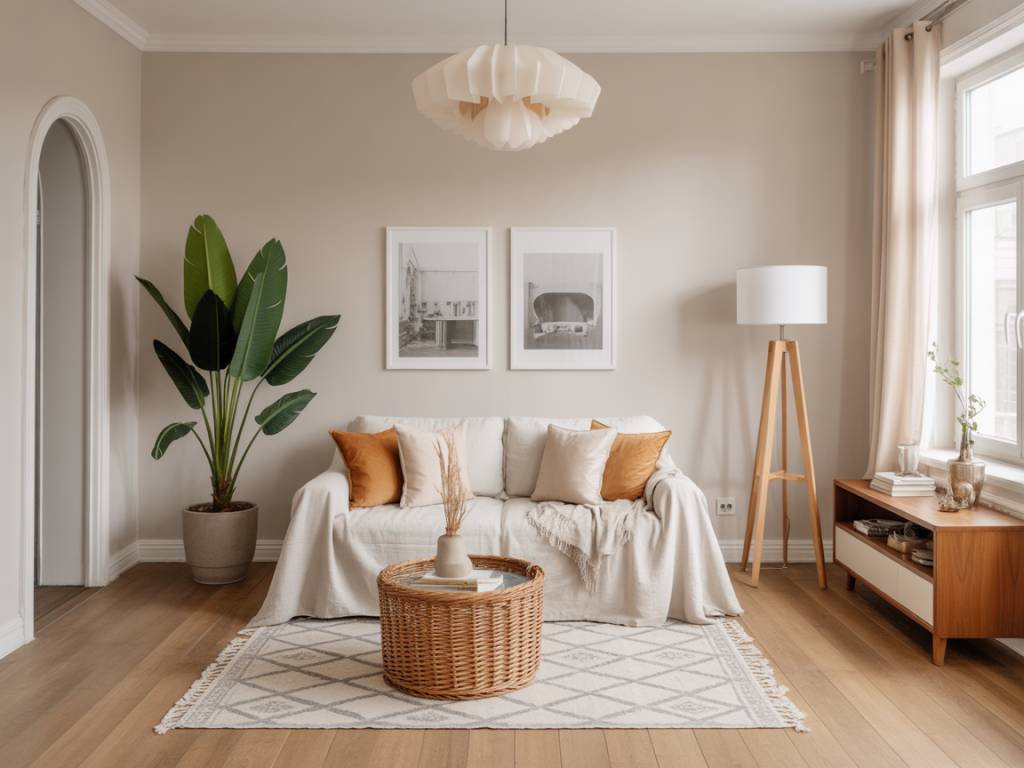
- Base neutrals: Whites, off-whites, beiges, warm greys, or greige tones for walls, larger furniture, and rugs.
- Support shades: One or two mid-tones for accent chairs, curtains, or feature walls. Think muted green, clay, ink blue, or soft taupe.
- Accent colors: One to three bolder shades for cushions, art, ceramics, and smaller details.
To keep your capsule decor versatile, focus on warm neutrals and muted hues that age well. These tones are easier to pair with future pieces and adapt to changing trends. A restrained palette also makes any unique item, such as a vintage lamp or handcrafted vase, stand out more.
Prioritize Materials and Textures
In a reduced decor scheme, texture becomes essential. It adds depth without clutter. It also prevents a neutral interior from feeling flat or sterile.
Choose a small family of materials you love and repeat them throughout your home:
- Natural woods (oak, walnut, ash)
- Linen, cotton, wool, or bouclé textiles
- Ceramics and stone (terracotta, marble, travertine)
- Metals in one or two finishes (blackened steel, brushed brass, or chrome)
Combining these textures across furniture, decor, and lighting creates a subtle but strong design language. A linen sofa, wool rug, ceramic lamp, and oak coffee table can live in different rooms and still feel connected. This repetition is a key strategy in capsule home styling.
Identify Your Core Furniture Pieces
Furniture forms the structural base of your capsule collection. Focus on pieces that are adaptable and proportionate to your space.
Key elements include:
- A comfortable, neutral sofa with simple lines
- One or two occasional chairs that can move between rooms
- A solid wood or metal coffee table with a timeless shape
- Side tables or nesting tables that serve multiple functions
- A flexible dining table and stackable or lightweight chairs
- Storage furniture with discreet fronts and clean silhouettes
Choose classic forms over exaggerated trends. Rounded edges, slender legs, and low profiles tend to age well and work with many styles. If you already own substantial furniture, refine your capsule by editing out pieces that do not support your chosen palette or mood.
Textiles: The Workhorses of a Capsule Interior
Textiles are where “buy less, style more” truly comes to life. Cushions, throws, curtains, and rugs can dramatically shift the mood using a relatively small number of items.
Focus on:
- A foundational rug in a neutral or subtle pattern that suits multiple rooms
- Two or three sets of cushion covers that can be rotated seasonally
- One warm, heavier throw and one lighter one for layering
- Simple, well-made curtains or blinds in a solid fabric
By limiting yourself to a few carefully chosen patterns and textures, you can re-style your space repeatedly. Swap cushion covers between the living room and bedroom. Move a throw from the sofa to the end of the bed. The decor looks refreshed, yet you have not added more items.
Lighting as a Flexible Style Tool
Lighting is one of the most powerful aspects of a capsule home decor collection. It shapes atmosphere, highlights textures, and defines zones in open spaces.
Think in layers:
- Ambient lighting: Ceiling lights or large pendants providing overall illumination.
- Task lighting: Desk lamps, reading lamps, or under-cabinet lighting for focused activities.
- Accent lighting: Table lamps, floor lamps, and picture lights for depth and softness.
Select lighting fixtures with enduring shapes and finishes that match your material palette. A linen-shaded table lamp, a black metal floor lamp, and a simple glass pendant can follow you from one home to another. They also pair effortlessly with evolving furniture and textiles.
Curating Art and Accessories with Intention
Accessories and wall art are often where visual clutter begins. A capsule decor mindset encourages editing rather than accumulating.
Start by grouping your decor into categories:
- Candles and candleholders
- Ceramic vases and bowls
- Books and magazines
- Framed art and prints
- Decorative objects and souvenirs
From each category, choose a limited number of meaningful, high-impact items. Prioritize pieces with emotional value, artisan quality, or sculptural interest. Then create a “decor library.” This can be a shelf, a storage box, or a cupboard where you keep items not currently in rotation.
Periodically, shop your own home. Move vases between rooms. Re-style a coffee table with different books. Swap artwork from the hallway to the bedroom. You refresh your decor without adding to it.
Seasonal Updates Without Overconsumption
Seasonal decorating does not need to mean buying an entirely new set of decor each time the weather changes. A capsule home decor collection encourages subtle, layered updates.
You can adjust:
- Textiles: heavier knits and wool in winter, lighter linens and cottons in summer
- Color emphasis: deeper tones in colder months, fresher accents in spring and summer
- Natural elements: branches, dried flowers, greenery, or seasonal produce as table decor
- Candles and scent: warmer, spicier fragrances for autumn and winter, greener, citrus notes for spring
These small, thoughtful touches keep your home feeling in tune with the seasons while your core capsule pieces remain constant. You avoid the cycle of storing boxes of seasonal decor and reduce waste.
Shopping Mindfully for Long-Term Style
Transitioning to a capsule home decor approach often requires a change in shopping habits. The focus shifts from quick satisfaction to longevity and flexibility.
Before purchasing, ask yourself:
- Does this item work with my existing color palette and materials?
- Can I imagine it in at least two different rooms?
- Will I still like this shape and finish in five years?
- Is there a higher-quality version I can save for instead of buying multiple cheaper options?
When you apply these filters consistently, each new piece strengthens your overall decor story. Your home becomes more cohesive, more personal, and less dependent on ever-changing trends.
Designing a capsule home decor collection is an ongoing process rather than a fixed destination. Over time, you refine, edit, and occasionally upgrade. Yet the core principle remains steady: buy less, choose with care, and style more using what you already have. In a world saturated with options, this slower, more deliberate way of decorating can feel both calming and quietly luxurious.