


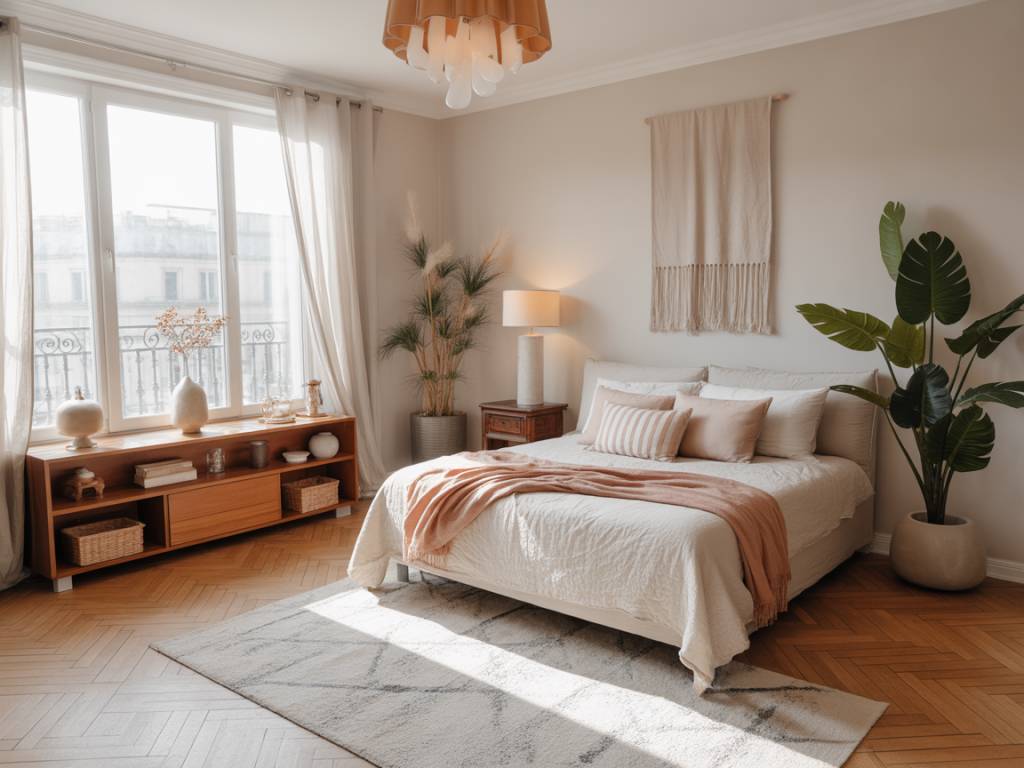
Why a Multisensory Home Matters
A home is more than a visual backdrop. It is a living environment that affects how we feel, think, rest, and connect. When we design interiors only for the eye, we miss a powerful opportunity: engaging the senses of smell, hearing, and touch to create a richer everyday experience.
Designing a multisensory home means intentionally layering scent, sound, and texture into your interior design. The result is subtle but profound. A room can feel calmer, warmer, or more energising without moving a single wall. This approach does not require a full renovation. It relies on thoughtful details, careful placement, and a strong sense of how you want each space to feel.
Multisensory interior design is increasingly popular in wellness-focused homes, boutique hotels, and biophilic interiors. Homeowners are looking for ways to reduce stress, support better sleep, and create more atmosphere with minimal visual clutter. Scent, sound, and texture are powerful, flexible tools to do exactly that.
Start With Intention: How Do You Want to Feel?
Before choosing candles, speakers, or boucle cushions, step back and define the emotional purpose of each room. Multisensory design works best when every choice supports a clear intention.
Ask yourself:
- What is the primary role of this space? (rest, focus, gathering, creativity, play)
- How do I want to feel here? (calm, energised, cocooned, inspired, grounded)
- What is not working right now? (too echoey, too sterile, too busy, not restful enough)
Once you have answers, you can translate them into sensory design. For example, a relaxing bedroom often calls for soft, layered textiles, muted sound, and gentle, comforting fragrances. A productive home office might need crisp textures, noise control rather than silence, and invigorating citrus or herbal scents.
Think of each room as a sensory story. The sightlines, the soundscape, the way the sofa fabric feels under your fingertips, the faint fragrance in the air. All of these elements should tell the same story about how the space is meant to be lived in.
Using Scent Strategically in Home Design
Scent is one of the most powerful and underrated tools in interior design. It can instantly shift mood, trigger memories, and subtly signal that you have moved from one type of space to another. In a home, a considered “scent map” can bring coherence and character without adding any visual clutter.
To work with scent intentionally, think in terms of zones, layers, and routines.
Choose a scent “family” for each zone
Assign different fragrance profiles to different functions in the home.
- Living room: Warm woods, amber, vanilla, soft spices to create a welcoming, cosy atmosphere.
- Bedroom: Lavender, chamomile, sandalwood, or powdery florals to support relaxation and sleep.
- Kitchen and dining: Citrus, herbs, green notes that feel fresh and clean without clashing with food aromas.
- Home office: Rosemary, eucalyptus, tea tree, or peppermint to promote clarity and focus.
- Bathroom: Marine, eucalyptus, white florals, and soft citrus for a spa-like feeling of cleanliness.
Keep the overall palette cohesive. Rather than five unrelated candles, choose scents that can overlap without clashing. Think in families: woody, citrus, floral, herbal, or gourmand.
Layer scent sources
Fragrance in the home is most pleasant when it is subtle and layered rather than overwhelming. Combine several low-intensity sources:
- Reed diffusers for a constant, background presence.
- Essential oil diffusers for flexible, controllable intensity.
- Scented candles for evening ritual and atmosphere.
- Room sprays for quick, targeted refresh in high-traffic areas.
- Textile sprays for curtains, cushions, and bedding.
Rotate scents with the seasons. Lighter, zesty fragrances feel natural in spring and summer. In autumn and winter, richer, resinous, or gourmand notes match thicker textiles and deeper colours.
Build scent into daily rituals
Multisensory interior design becomes truly effective when it anchors your habits. Light the same candle before an evening bath. Diffuse the same essential oil blend when you start working. Use a specific linen spray before bed. Over time, your brain will associate those scents with shifting gear, relaxing, or focusing, reinforcing the role of each room.
Designing a Soundscape at Home
Many interiors look beautiful but sound harsh. Hard floors, bare walls, and large windows can create echo and noise fatigue. A considered soundscape is a crucial part of a comfortable, functional home. It is not just about music. It is about background noise, acoustics, and the quality of quiet.
Improve the acoustics with materials
Soft, porous materials absorb sound and reduce echo. Hard, smooth surfaces reflect it. To balance your sound environment, introduce sound-absorbing elements that also fit your interior style:
- Large area rugs over hard flooring, especially in living rooms and hallways.
- Layered curtains or drapes rather than only blinds.
- Upholstered seating, padded headboards, and fabric wall panels.
- Bookshelves filled with books, which act as natural acoustic diffusers.
- Textile wall hangings or tapestries as decorative sound softeners.
Focus on echo-prone areas: open-plan living, stairwells, and long corridors. Small, targeted interventions often have a big impact on overall sound comfort.
Create distinctive sound zones
Just as you map scent by function, you can design soundscapes for different zones.
- Living room: A good quality speaker system for music, balanced by soft furnishings for better dialogue clarity.
- Bedroom: Minimal electronics, optional white-noise or nature-sound device for sensitive sleepers.
- Home office: Noise-cancelling headphones, or a curated playlist for concentration.
- Entrance hall: A subtle sound, such as a soft chime or a small indoor fountain, can create a gentle transition from outdoors to indoors.
Think about the threshold moments. Opening the front door, stepping into the bathroom, sitting at the desk. These are opportunities to reinforce the character of a space with sound.
Control unwanted noise
A multisensory home is not necessarily a silent home, but it is a controlled one. Consider:
- Sealing gaps around doors to reduce noise transfer between rooms.
- Using door sweeps and heavier interior doors in noisy households.
- Positioning appliances (dishwashers, washing machines) away from resting areas where possible.
- Adding soft furnishings in children’s playrooms to soften the impact of play noise.
The goal is to support the primary use of each space. Calm bedrooms, focused offices, lively yet comfortable living areas. Sound is a critical layer in achieving that balance.
Working With Texture: The Power of Touch in Interior Design
Texture brings depth, warmth, and interest to a room. It defines how a space feels when you live in it, not just how it looks in photographs. A multisensory interior uses varied textures to create contrast, comfort, and a sense of groundedness.
Layer different tactile experiences
In each room, aim for a mix of textures that reflect the mood you want to create:
- Soft and plush for comfort: wool throws, velvet cushions, high-pile rugs, quilted bedspreads.
- Smooth and cool for clarity: glass, glazed ceramics, metal accents, polished stone.
- Natural and tactile for warmth: linen, raw wood, woven baskets, rattan, jute.
- Structured and nubby for visual interest: boucle, tweed, rough-hewn wood, handmade textiles.
Use contrast deliberately. A sleek leather sofa becomes more inviting with a chunky knitted throw. A minimal dining table feels more grounded with a textured linen runner and hand-thrown ceramic plates.
Prioritise touchpoints
Not every surface needs to be highly textured. Focus on the objects you physically interact with every day:
- Door handles and cabinet pulls with a pleasant weight and grip.
- Comfortable, breathable bedding with natural fibres.
- Upholstery that feels good against the skin, especially on frequently used seating.
- Bathroom towels that are soft, absorbent, and matched to the room’s mood.
- Kitchen tools and tableware that feel balanced and satisfying to hold.
These small details create a continuous background of subtle comfort. They encourage you to slow down, notice, and enjoy everyday gestures such as making coffee, opening a cupboard, or getting into bed.
Use texture to zone open spaces
In open-plan interiors, texture is a powerful zoning tool. Changes in underfoot feel can signal transitions between areas without adding walls. A flat-weave rug under a dining table, a deep-pile rug in the living area, and bare floor around circulation paths naturally define movement and use.
On vertical surfaces, mix painted walls with areas of timber cladding, limewash, or fabric-backed panels to visually and physically differentiate zones within a single open space.
Bringing It All Together: Practical Multisensory Ideas by Room
To make the concept of a multisensory home easier to apply, it helps to look at specific examples room by room. The aim is not to add more stuff, but to curate more intentional experiences.
Bedroom
- Choose breathable cotton or linen bedding with a slightly textured feel.
- Place a soft rug or runner where your feet land in the morning.
- Use a calming essential oil blend (lavender, chamomile, cedarwood) in a small diffuser before bedtime.
- Add heavy curtains or a fabric-covered headboard to absorb sound.
- Keep electronics to a minimum and consider gentle nature sounds if external noise is an issue.
Living room
- Layer cushions and throws in different textures: linen, velvet, wool.
- Place a large rug to soften footfall and improve acoustics.
- Introduce a consistent, subtle fragrance via a reed diffuser in a warm, welcoming scent.
- Invest in a speaker with good sound quality for music and films.
- Use woven baskets and natural materials to add tactile interest without visual noise.
Kitchen and dining area
- Balance hard surfaces with fabric elements like seat cushions, table runners, or curtains.
- Choose a bright, clean scent such as lemon or basil to use after cooking.
- Incorporate wooden chopping boards and ceramic dishes for pleasant hand-feel during daily tasks.
- Reduce clatter with felt pads under chair legs and soft-close cabinet hardware.
Home office
- Opt for a desk surface that feels smooth but not cold, such as wood or high-quality laminate.
- Add a supportive, tactile chair with a breathable fabric.
- Use focused, energising scents like rosemary or peppermint during working hours.
- Control echo with a rug, curtains, or a pinboard covered in fabric.
- Keep a consistent sound backdrop, whether instrumental music or low-level white noise, to mask household distractions.
Bathroom
- Choose towels and bath mats that feel luxurious underfoot and in the hand.
- Create a spa-like scent profile with eucalyptus, mint, or soft florals.
- Use a small speaker for relaxing playlists during baths or morning routines.
- Introduce tactile accessories such as natural sponges, wooden stools, or stone soap dishes.
Creating a Home That Engages All Your Senses
A visually pleasing interior is only the first layer. When you introduce thoughtful scent, sound, and texture, a house begins to feel truly lived in, and more importantly, more supportive of everyday wellbeing. This approach to interior design is subtle. It depends less on trends and more on tuning the home to the people who live there.
By mapping how you want to feel in each room and using multisensory design tools to support those intentions, you transform ordinary routines into small, grounding rituals. The home becomes not just a place you look at, but a place you experience fully, with every sense engaged.