


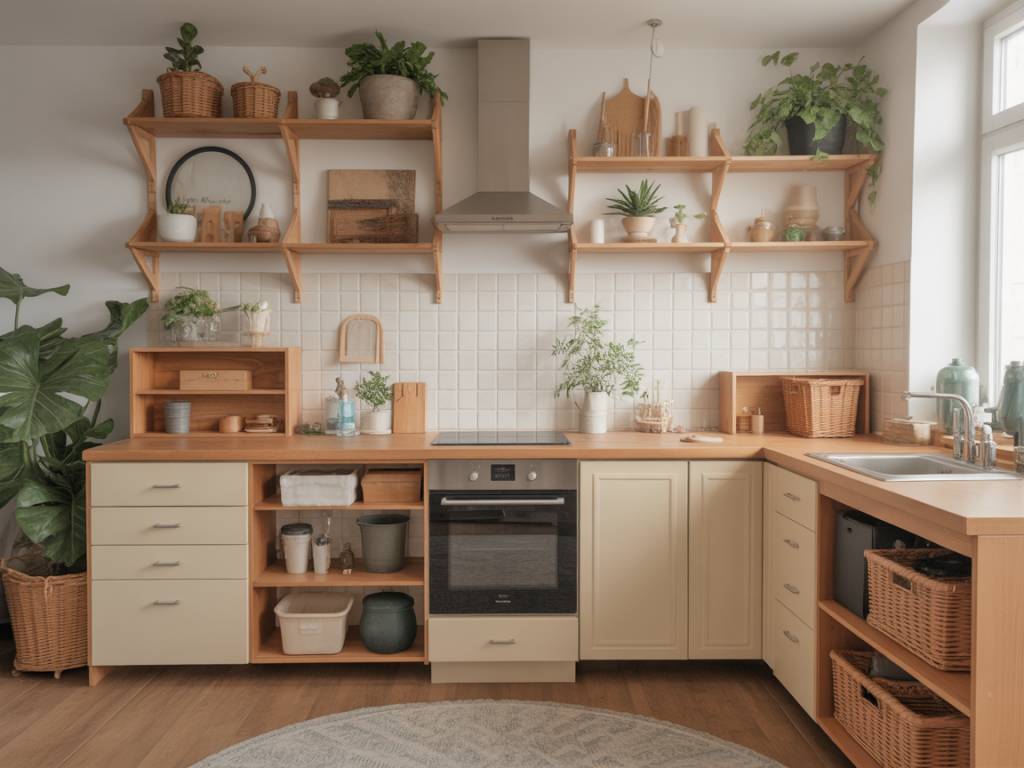
Why a Zero-Waste Home Starts with Small, Everyday Choices
A zero-waste home is not an overnight transformation. It is the result of a series of small, practical changes that gradually reshape the way you live, shop, and consume. Rather than aiming for perfection, the goal is to reduce household waste, extend the life of what you already own, and choose reusable solutions over disposable ones.
Designing a zero-waste home is also a design project in its own right. It involves rethinking how you organize your kitchen, bathroom, bedroom, and cleaning routines to make sustainable choices the easiest choices. When storage is well planned and materials are carefully selected, a low-waste lifestyle feels intuitive and not restrictive.
Principles of Zero-Waste Interior Design
Before focusing on specific swaps, it helps to understand the principles that guide a zero-waste interior. These principles can influence both everyday objects and larger furniture or renovation choices.
At the core of a zero-waste home are five simple concepts, often summarized as “refuse, reduce, reuse, recycle, rot.” For interior design, they translate into practical criteria you can apply whenever you acquire or replace something.
- Durability over disposability: Invest in materials and objects that can withstand daily use, be repaired, and look better as they age.
- Timeless design: Choose neutral tones and simple silhouettes that you will not tire of quickly, reducing the urge to replace or redecorate constantly.
- Natural and recyclable materials: Prefer glass, wood, metal, linen, cotton, wool, and ceramics instead of plastic whenever possible.
- Modularity and reparability: Opt for furniture that can be disassembled, reconfigured, or have individual parts replaced.
- Visible storage for sustainable habits: Place reusable items, such as cloth bags, jars, and containers, where they are easy to reach and see.
When these principles guide your decisions, every new object entering the home has a clearer purpose and a longer life cycle.
Zero-Waste Kitchen: Smart Swaps for Everyday Use
The kitchen is usually the largest source of household waste. Food packaging, plastic containers, single-use paper products, and cleaning supplies all add up quickly. By rethinking a few key areas, you can significantly reduce the volume of your trash.
From disposable packaging to bulk and refill systems
One of the most impactful shifts is to prioritize bulk buying and refill systems. Store food in glass jars, stainless steel containers, or sturdy tins. Clear jars not only reduce waste, they also create a calm, organized visual rhythm in cupboards and open shelves.
- Swap single-use plastic bags for reusable produce bags made of cotton or mesh.
- Replace branded packaging with labelled jars for grains, nuts, spices, and snacks.
- Use reusable silicone bags or beeswax wraps instead of cling film and disposable sandwich bags.
Reimagining cleaning and dishwashing
Cleaning products are another source of plastic waste and unnecessary chemicals. Simple alternatives are often just as effective, and they look more harmonious on open counters or under-sink shelves.
- Choose solid dish soap bars and refillable liquid soap bottles instead of single-use plastic bottles.
- Use compostable dish brushes with wooden handles and natural bristles, and replace only the head when needed.
- Keep a small collection of cotton or microfiber cloths for wiping surfaces, in place of paper towels.
Store these items in attractive baskets, glass bottles, or ceramic containers to reinforce both the aesthetic and the practical aspects of a zero-waste kitchen.
Food storage and leftovers, without the plastic
Leftovers are part of everyday life, and how you store them can either create waste or avoid it. Glass containers with airtight lids work in the fridge, freezer, and oven, which reduces the need for multiple specialized products.
- Swap plastic cling film for reusable lids, beeswax wraps, or simply a plate placed over a bowl.
- Repurpose glass jars from store-bought products for sauces, soups, and homemade dressings.
- Keep a shelf or basket dedicated to “eat-me-first” items to reduce food waste.
As storage becomes more intentional, the kitchen gradually becomes a space where nothing is hidden, forgotten, or thrown away unnecessarily.
A Zero-Waste Bathroom: Routines with Less Plastic
The bathroom often contains more plastic per square meter than any other room. Shampoo bottles, disposable razors, cotton pads, and packaging accumulate quickly. Shifting to refillable and solid products changes both the look and environmental impact of this intimate space.
Personal care products in solid and refillable formats
Solid cosmetics have moved from niche to mainstream. They are compact, travel-friendly, and usually packaged in cardboard or metal tins. Their minimalist appearance also works well with clean, spa-inspired bathroom decor.
- Choose solid shampoo and conditioner bars displayed on a ceramic dish or soap tray.
- Replace liquid body wash with bar soap, ideally from local or artisanal makers.
- Use reusable pump dispensers for hand soap, refilled at bulk stores or with large-format refills.
Zero-waste grooming essentials
Many grooming tools were once designed to last a lifetime. Rediscovering these objects is both a sustainable and aesthetically pleasing choice.
- Swap disposable razors for a safety razor with replaceable metal blades.
- Use washable cotton pads or reusable makeup remover cloths in place of single-use cotton rounds.
- Prefer bamboo toothbrushes or toothbrushes with replaceable heads instead of full plastic versions.
Store these items in glass jars, woven baskets, or small wooden trays. This approach keeps the countertop tidy while highlighting the natural materials and neutral colors often associated with a sustainable bathroom.
Bedroom and Living Areas: Curating Rather Than Consuming
Zero-waste principles apply to textiles, furniture, and decor. The goal is not a bare, minimalist interior, but a more intentional one. Each object has a function, a story, or a long-term place in the home.
Thoughtful textiles and soft furnishings
Textiles are central to comfort. They can also generate waste if they are replaced too often or made from low-quality synthetic fibers.
- Choose natural fibers like organic cotton, linen, and wool for bedding, throws, and cushions.
- Prioritize high-quality, repairable pieces instead of fast-fashion linens that wear out quickly.
- Consider second-hand textiles, especially curtains, vintage quilts, or wool blankets, which can add character and warmth.
Furniture that ages well
Furniture represents a major investment, financially and environmentally. Well-chosen pieces can serve multiple generations if they are maintained and adapted over time.
- Opt for solid wood furniture that can be sanded, repainted, or repaired instead of flat-pack items designed for short-term use.
- Look for second-hand or refurbished pieces that already exist in the market rather than purchasing new whenever possible.
- Use modular shelving systems that can be expanded or rearranged instead of buying new units when storage needs change.
Arranging furniture to maximize natural light and ventilation also reduces the need for artificial lighting and cooling, further supporting a sustainable lifestyle.
Cleaning and Laundry: Low-Waste Routines that Fit Everyday Life
Household cleaning and laundry are repetitive tasks. Even small changes, multiplied over time, make a significant difference. By simplifying the product range and choosing concentrated, refillable, or homemade solutions, you reduce both packaging and chemical impact.
Minimalist cleaning kits
A zero-waste cleaning kit can be surprisingly compact. A few core ingredients often replace an entire cupboard of specialized products.
- Use vinegar, baking soda, and castile soap as the basis for many DIY cleaners.
- Keep glass spray bottles that can be refilled, clearly labelled for different rooms or surfaces.
- Rely on washable cleaning cloths and mop pads that can be laundered and reused many times.
Rethinking laundry habits
Laundry care is also an opportunity for low-waste improvements. The products you choose, the temperature you use, and the way you dry clothes all matter.
- Swap plastic detergent bottles for laundry strips, powder in cardboard boxes, or refill stations.
- Use wool dryer balls instead of single-use dryer sheets, or air-dry when possible.
- Wash at lower temperatures to extend the life of fabrics and reduce energy consumption.
Store laundry essentials in simple, uniform containers. This not only creates a calm, ordered laundry area, it also reduces visual clutter, often associated with overconsumption.
Designing Systems that Make Zero-Waste Easy
A zero-waste home is as much about systems as it is about objects. When you design clear routines and dedicated spaces, sustainable habits require less effort and willpower.
- Create a “reusable station” near the entrance with tote bags, produce bags, and containers, ready to grab on your way out.
- Set up sorting areas for recycling, compost, occasional donations, and repair projects so items do not end up in the trash by default.
- Keep a small toolkit with basic repair supplies—thread and needles, wood glue, screwdrivers—so it is easier to fix than to replace.
Over time, these systems blend into the architecture of daily life. They influence the way you move through your home, how you shop, and how you dispose of what you no longer need.
Designing a zero-waste home is an evolving process. Each room presents its own challenges and opportunities, and each household has different constraints. Still, the underlying idea remains consistent: fewer, better, and longer-lasting objects that support a more sustainable lifestyle. With each practical swap—from the kitchen sink to the bedroom wardrobe—your home becomes not only more eco-friendly, but also calmer, more coherent, and more reflective of your values.