


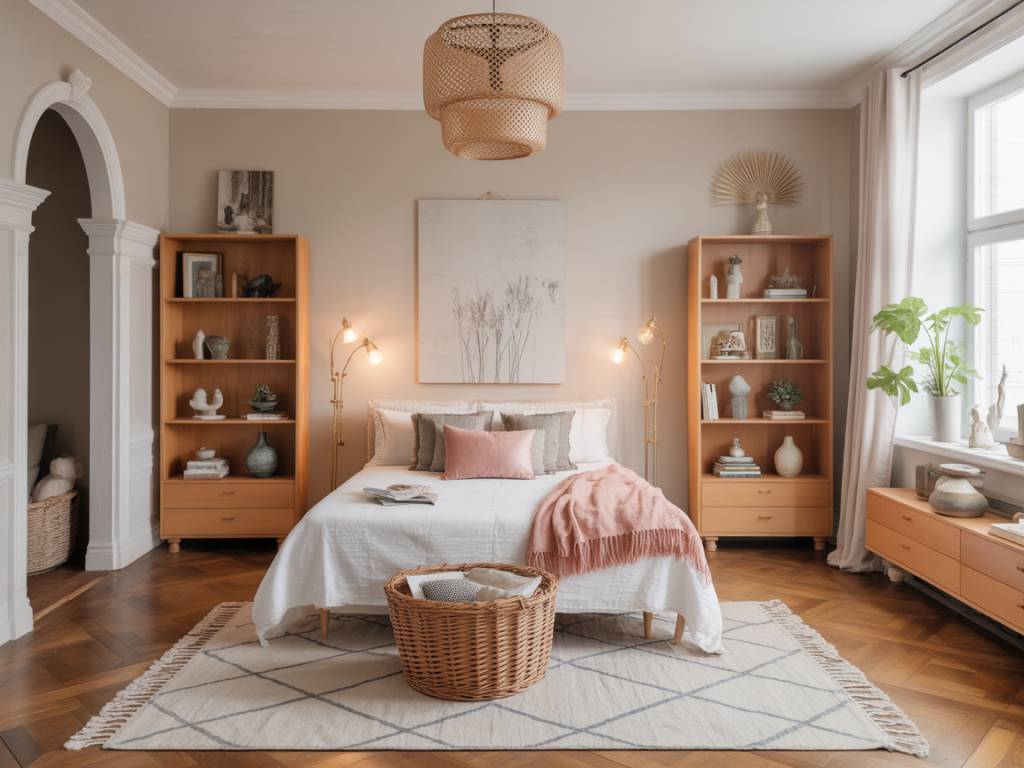
In an era of fast furniture, next-day delivery and constantly shifting trends, the idea of “slow decorating” feels almost radical. Yet more and more homeowners are turning toward a calmer, more intentional way of styling their interiors. Slow decorating is not about perfection. It is about creating a home that evolves with your life, instead of trying to achieve an instant, magazine-ready result.
This approach prioritises thoughtful choices over impulse buys. It respects the time it takes to understand how you really live in a space. It encourages you to build a meaningful, personal interior layer by layer. The result is a home that feels authentic, grounded and enduring.
What Is Slow Decorating?
Slow decorating is an interior design philosophy inspired by the broader “slow living” movement. Rather than rushing to finish a room in a single weekend, you decorate gradually. You make decisions carefully. You live in your space first, then respond to how it functions and feels.
At its core, slow decorating is about:
- Prioritising quality over quantity
- Choosing timeless, durable pieces instead of disposable decor
- Allowing rooms to change as your needs and tastes evolve
- Buying less, but buying better
- Honouring personal history, memories and craftsmanship
This method contrasts sharply with fast decorating, where people often buy an entire “look” from one store, complete with matching furniture and accessories. That may provide instant gratification. But it can also feel flat, generic and disconnected from the way you truly live.
Why Slow Decorating Matters Today
Slow decorating is not only a style choice. It is also a response to environmental, economic and emotional concerns. Our homes have become multi-functional spaces: offices, sanctuaries, entertainment zones, and more. Decorating them thoughtfully has never been more important.
There are several key reasons this approach resonates today:
- Sustainability: Choosing long-lasting furniture and decor reduces waste and supports a more sustainable home. Vintage and second-hand pieces extend the life of existing objects and minimise the demand for new production.
- Budget-conscious design: Decorating slowly allows you to invest in higher-quality pieces over time, instead of spending a large amount all at once on items that may not last.
- Emotional well-being: A home built gradually, with intention, tends to feel calmer and more personal. It reflects your story, not a catalogue’s idea of perfection.
- Flexibility: Life changes. Slow decorating accepts this, designing spaces that can adapt as families grow, work situations shift, or tastes mature.
Ultimately, slow decorating is about creating a living space that feels honest and comfortable, rather than forced or quickly assembled.
Start with How You Live, Not How It Looks
The first step in slow decorating is observation. Before buying anything significant, watch how you actually use your home. Sit in different spots at different times of day. Notice where light falls. Pay attention to where clutter gathers, which corners feel inviting and which areas you avoid.
Ask yourself practical questions:
- Where do I naturally sit to read, work or relax?
- Which storage zones are overflowing, and why?
- What activities genuinely happen in this room day to day?
- Are there pieces I own but never use or enjoy?
Instead of copying a trend from social media, let your routines guide your decisions. A living room might need fewer decorative side tables and more comfortable seating. A kitchen might benefit from open shelving that shows off everyday pieces, not just curated objects. Function comes first. Beauty follows naturally when a space truly works for you.
Edit Before You Add
Slow decorating is as much about subtraction as it is about selection. Before bringing in new items, look carefully at what you already own. Editing your belongings helps clarify your style and reduces visual noise.
Begin by removing everything that feels broken, uncomfortable, or emotionally heavy. Then consider pieces that simply do not fit your current life, even if they are in good condition. It might be a dining table that seats more people than you ever host. It might be a rug that demands constant maintenance.
As you pare back, patterns emerge. You will notice which colours recur naturally. You will see which textures you reach for again and again. These are strong clues for future purchases. The process can be slow and sometimes uncomfortable. But it creates space – literally and mentally – for a more coherent interior to take shape.
Invest in Timeless Foundation Pieces
A key principle of slow decorating is building a solid foundation with a few well-chosen, enduring items. These are the pieces you use every day. They anchor the room and will likely travel with you through different homes and life stages.
Examples of core pieces worth careful investment include:
- A comfortable, well-made sofa with classic lines
- A sturdy dining table in a material you genuinely love
- A supportive mattress and simple bed frame
- Versatile storage, such as a quality sideboard or chest of drawers
- Good lighting: a combination of floor, table and ceiling lights
Choose neutral or quietly classic designs for these large items. They should act as a backdrop rather than compete with every decorative change you might make later. If you change colour schemes or styles down the line, these foundational pieces will still work.
Layer Character Over Time
Once the essentials are in place, slow decorating becomes a process of layering. This is where a home starts to gain depth and personality. It does not happen in a week. It happens over years, sometimes decades, as you collect objects, artwork and textiles that mean something to you.
Consider building layers through:
- Textiles: Cushions, throws, curtains and rugs are easy to change and combine. Natural materials like linen, wool and cotton age gracefully and add warmth.
- Art and photography: Instead of buying generic prints, seek out pieces that resonate with your experiences – travel mementos, local artists, or family photographs framed thoughtfully.
- Books and personal collections: Shelves filled with books you actually read and objects tied to memories will always feel more genuine than styled accessories.
- Vintage and handmade items: These pieces introduce irregularity and history, which prevent a room from feeling too polished or impersonal.
Layering is where slow decorating really shines. Because you are not rushing, you develop a more discerning eye. You wait for the right piece rather than settling for something that is almost right.
Embrace Imperfection and Change
A slowly decorated home will never be “finished” in the traditional sense. That is its strength. It evolves with you. Seasons shift, children grow, work situations change, and your home adapts.
Instead of chasing a permanently perfect interior, accept minor imperfections as evidence of life. A slightly worn armrest. A table with faint marks from years of dinners and projects. These details tell your story. They give the space warmth and authenticity that new, untouched furniture cannot easily replicate.
Allow yourself to move furniture around, repaint walls, or rotate artwork as your needs and tastes develop. Slow decorating is not static. It is responsive. You are constantly learning what works and what does not, and you adjust accordingly.
Sustainable and Ethical Choices in Slow Decorating
For many people, slow decorating goes hand in hand with sustainable interior design. When you buy less and choose carefully, it becomes natural to ask questions about materials, origins and manufacturing practices.
Small, thoughtful steps can make a difference:
- Opt for solid wood instead of laminated, low-quality boards where possible
- Look for furniture that can be repaired, reupholstered or refinished
- Support local makers, artisans and small brands with transparent production
- Incorporate second-hand, antique or vintage pieces into your scheme
- Choose natural fibres and low-VOC paints to improve indoor air quality
These choices not only reduce your home’s environmental footprint. They also tend to result in interiors with more character and longevity. A mix of old and new, handmade and carefully manufactured, creates a layered and resilient decorating scheme.
Practical Strategies to Decorate Slowly
Turning the philosophy of slow decorating into daily practice can be done in simple, manageable steps. You do not need a complete redesign to get started. You need a shift in mindset and a few clear habits.
Useful strategies include:
- Create a long-term vision board: Gather images, colours and textures that appeal to you. Look for recurring themes rather than isolated trends.
- Set a purchase delay rule: For non-essential decor items, wait a set number of days before buying. If you still want the piece after this period, it is more likely to be a meaningful choice.
- Work room by room, layer by layer: Focus on improving one space at a time. Start with function, then address lighting, then textiles, then decorative details.
- Measure and plan: Before buying big furniture, measure carefully and sketch floor plans. This prevents costly mistakes and encourages considered decisions.
- Revisit and refine: Periodically review each room. Remove what no longer serves you and adjust layouts to suit current routines.
These small habits support a slower, more thoughtful way of decorating. They help you resist the pressure to complete everything at once and remind you that your home can unfold gradually.
A Home That Grows With You
Slow decorating is ultimately about alignment. It aligns your interior with your everyday life, values and long-term goals. Instead of chasing temporary styles, you invest in a space that feels calm, rooted and genuinely yours.
As you allow your home to evolve, it becomes a quiet record of who you are and how you live. Every choice – from the sofa you sit on nightly to the small objects on your shelves – tells part of that story. Over time, this layered, considered approach results in a home that is not just decorated. It is lived in, loved, and capable of adapting to whatever comes next.