
In a culture that celebrates instant makeovers and overnight transformations, the idea of furnishing a home slowly can feel almost radical. Yet “slow decorating” is gaining ground as a thoughtful, sustainable, and deeply personal way to create interiors that truly reflect how you live. Instead of filling every room in a single weekend with flat-pack furniture and trend-driven accessories, slow decorating invites you to take your time. It asks you to observe your habits, refine your taste, and let each piece earn its place.
What Is Slow Decorating?
Slow decorating is the opposite of the quick-fix home makeover. It’s an intentional approach to interior design and home styling that unfolds over months, sometimes years, rather than days. The goal is not to achieve a picture-perfect home as fast as possible. The goal is to build a layered, evolving interior that feels authentic and endures.
Instead of buying everything in one big shopping trip, you curate your home gradually. You might start with a sturdy sofa. Later, you add a vintage side table. A few months on, you finally find the perfect rug. Every decision is considered, not rushed. Every item has a purpose, a story, or both.
In practical terms, slow decorating means:
- Spending more time researching and less time impulse-buying
- Choosing quality materials and craftsmanship over quick, disposable options
- Allowing your style to evolve as you live in the space
- Layering decor elements gradually instead of filling a room all at once
This philosophy aligns naturally with slow living, sustainable design, and mindful consumption. It’s as much about the process as the finished result.
Why Furnish Your Home Slowly?
There are several compelling reasons to embrace slow decorating. Some are practical. Others are emotional. Together, they can transform the way you relate to your home.
You make fewer mistakes. When you rush to “finish” a room, it’s easy to choose pieces that are the wrong scale, the wrong color, or simply the wrong fit for your lifestyle. Taking your time lets you test layouts, measure properly, and see how you actually use a space before committing.
Your home feels more personal. Interiors built slowly tend to tell richer stories. A room layered over time naturally reflects your travels, your hobbies, and your changing tastes. It avoids the overly coordinated, catalog-perfect look. Instead, it feels lived-in and individual.
You can invest in better pieces. Furnishing an entire home at once often pushes you toward the lowest price point. When you spread purchases over time, you can allocate your budget more strategically. That might mean saving for a solid wood dining table, artisan lighting, or a custom-made sofa that will last years longer than cheaper alternatives.
It supports more sustainable choices. Slow decorating aligns with eco-conscious living. You are more likely to:
- Buy second-hand or vintage furniture instead of new mass-produced items
- Choose natural materials like wood, linen, wool, and clay
- Repair, reupholster, or refinish rather than discard
- Avoid constant redecorating driven by fast-changing trends
The process becomes more enjoyable. Instead of seeing decorating as a stressful project to complete, you treat it as an ongoing creative practice. You can enjoy the hunt for the right piece. You can experiment. You can let your home adapt alongside you.
Start with How You Live, Not How It Looks
Slow decorating begins with observation. Before buying anything, spend time simply living in your space. Watch how light moves through the rooms during the day. Notice where you naturally gravitate to work, relax, read, or socialize. These subtle patterns should guide your decisions more than any mood board.
Ask yourself questions like:
- Where do I always drop my keys, bag, and mail?
- Do I need more closed storage to hide visual clutter, or open shelving to display objects?
- Which corners feel underused or awkward?
- Do I prefer bright, airy spaces, or cozy, cocooning rooms?
By thinking about function first, you avoid common pitfalls. A beautiful armchair is meaningless if it’s uncomfortable. A dramatic coffee table is frustrating if it doesn’t fit the scale of the room. Slow decorating prioritizes daily comfort and real-life habits. Style is built around that foundation.
Define a Flexible Vision, Not a Fixed Look
Many interior design mistakes stem from chasing an image. A single photo on Pinterest. A show home. A hotel lobby. These can be inspiring, but if you try to replicate them exactly, your home can end up feeling staged rather than lived-in.
With slow decorating, it’s more helpful to define a loose vision instead of a rigid blueprint. Think in terms of mood, materials, and atmosphere. Not a single “style label.”
You might aim for:
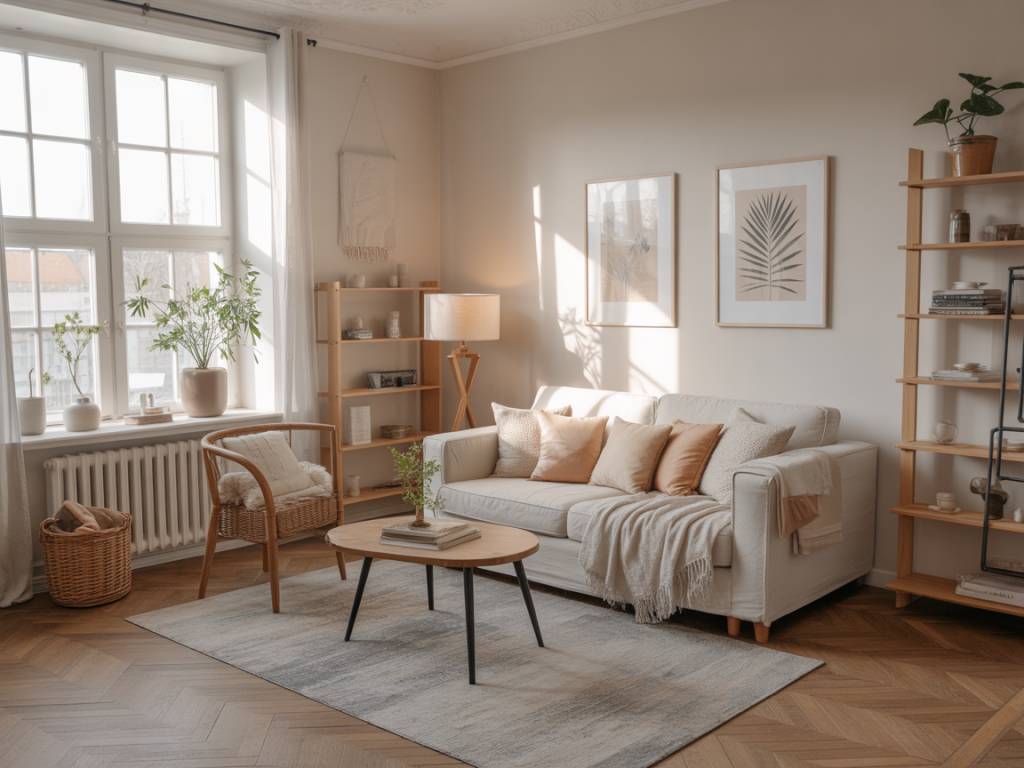
- A calm, light-filled home with natural textures and soft neutrals
- A characterful, eclectic interior with vintage pieces and bold color accents
- A minimalist, functional space with clean lines and a few sculptural objects
Use this vision as a compass, not a cage. It should guide your choices without limiting them. Over time, you may find that your taste shifts. Slow decorating accommodates that shift gracefully, allowing your rooms to evolve rather than forcing you to start over.
Prioritize the Big Pieces First
When you furnish a home gradually, order matters. Start with what designers often call the “foundations” of a room. These are the pieces that affect comfort, function, and layout more than any accessory ever could.
Typically, that means prioritizing:
- A quality sofa or main seating for the living room
- A comfortable bed and supportive mattress for the bedroom
- A practical dining table and chairs if you often eat or work there
- Essential storage such as wardrobes, dressers, or shelving
Get these core elements right, and everything else becomes easier. You can then layer in rugs for warmth, curtains for softness, and lighting for atmosphere. Decorative objects and artwork come later, building on a well-considered base.
Embrace Empty Space as Part of the Process
One of the most challenging aspects of slow decorating is tolerating the in-between stage. The vacant corner. The temporarily bare wall. The mismatched dining chairs inherited from previous homes. This phase can feel unfinished. It can even be uncomfortable. But it is part of the method.
Empty space gives you room to breathe. It lets you experiment with layouts before committing. It makes it easier to recognize what’s truly missing, instead of buying filler pieces just to “complete” a room. Over time, you may find that some areas never need more. Negative space can be a design element in itself.
Instead of rushing to cover every surface, allow spaces to stay sparse until you find something you genuinely love. Your patience will show in the end result.
Shop More Intentionally, Both New and Second-Hand
Slow decorating changes how you shop. The focus shifts from quantity to quality. From convenience to connection. You become more selective, and that selectivity pays off over time.
When buying new, look for:
- Solid materials such as hardwood, metal, glass, wool, or linen
- Well-constructed joints, finishes, and mechanisms
- Timeless shapes that won’t date quickly
- Modular or adaptable designs that can move with you
When buying second-hand or vintage, take your time. Visit flea markets, antique shops, and online marketplaces regularly rather than once. Measure carefully before purchasing. Consider how a piece might be refinished, reupholstered, or repurposed. These older items often bring character, patina, and a sense of history that new furniture can’t replicate.
In both cases, slow decorating encourages you to ask: Will I want this in five years? Does it add something meaningful to the room? If the answer is uncertain, wait.
Layer Textures, Colors, and Lighting Gradually
A thoughtfully decorated home rarely comes together in a single stroke. It’s built like a composition, layer by layer. As you live in your space, you’ll notice which areas feel flat, cold, or overly busy. That’s where layers matter.
Consider adding these elements over time:
- Textiles: Rugs, throws, cushions, and curtains soften a room and can subtly shift its mood.
- Lighting: A mix of overhead lighting, floor lamps, table lamps, and wall lights creates flexibility and ambience.
- Color: Paint, artwork, ceramics, and textiles allow you to experiment with color without fully committing to a bold sofa or wall-to-wall pattern.
- Greenery: Plants and fresh flowers introduce life and a sense of movement.
Because you’re not rushing, you can experiment freely. Move a lamp from the bedroom to the living room. Try a rug in a different space. Repaint a wall after a season of living with it. Slow decorating gives you the freedom to refine rather than settle.
Let Your Home Tell Your Story
Ultimately, the greatest strength of slow decorating is its capacity to reveal who you are. A home furnished gradually tends to be less about trends and more about memory. The print you bought on a trip. The handmade bowl from a local market. The armchair restored from a family attic. These details accumulate, creating an interior narrative that’s uniquely yours.
You don’t need to finish everything to entertain or to feel at ease. You simply need a space that works for your daily life and reflects what matters to you. Over time, the layers deepen. Rooms change with your circumstances. A desk appears where there was once a reading corner. A nursery evolves into a study. Slow decorating accepts and embraces these transitions.
Instead of striving for instant perfection, you allow your home to grow alongside you. Room by room. Object by object. Season by season. In the end, what you gain is not just a more beautiful interior, but a stronger connection to the place you live.